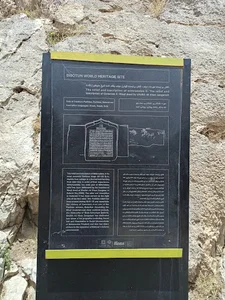
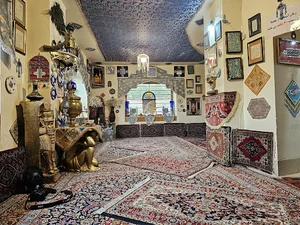
پل صفوی بیستون یک موزه تاریخی است که نگاه عمیقی به دوران صفوی و داستانهای بیستون میاندازد. فضای دوستانه و آرامی دارد و بازدیدکنندگان را با آثار تاریخی، تابلوها و نمایشهای تعاملی همراه میکند. اگر دنبال یادبودِ به یادماندنی از تاریخ ایران هستید، این مکان را به شما پیشنهاد میکنم؛ تجربهای ملموس و آموزشی برای همه گروههای سنی.
پل صفوی بیستون، که با اسمهای پل کهنه، پل شاه عباسی، پل دینورآب و… هم شناخته میشود، در واقع یک اثر تاریخی چند لایه است؛ پایههای آن از زمان ساسانیان ساخته شده و در دورههای حسنویه، ایلخانی، صفوی و پهلوی تکمیل و مرمت شد. خیلیها از زیبایی منظره کنار رود دینور و کوههای اطراف لذت میبرند، مخصوصاً وقتی آب در بستر جریان دارد و میتوانید از روی پل عبور کنید. اما همزمان چندین بازدیدکننده اشاره کردهاند که مدیریت و نگهداری اطراف پل کافی نیست و باید بیشتر به آن توجه شود. در کل، پل نه تنها یک پل عبور است، بلکه یک نقطه دیدنی تاریخی و طبیعی که هر کسی که از بیستون رد میشود، حتماً باید از آن دیدن کند.
Mehran Shesh Baradaran
۳ سال قبل
۵
پل زیبای بیستون که با نامهای پل کهنه، پل صفوی، پل شاه عباسی و پل دینورآب نیز شناخته می شود شرق بیستون و کنار جاده اصلی همدان کرمانشاه واقع شده. این پل بر روی رودخانه دینورآب بنا شده و مربوط به دوره صفوی است اما پایه های آنرا منسوب به اواخر دوره ساسانی و تکمیل آنرا مربوط به سده چهارم هجری می دانند. پایه های پل سنگی و بدنه آن آجری است و در دوره پهلوی بازسازی مناسبی شده، اما روی پل سنگفرش است و عبور و مرور از روی این اثر تاریخی هنوز برقرار است.
پل تاریخی بیستون که به نام های پل کهنه، پل صفوی نیز معروفه در ابتدای شهر بیستون از طرف صحنه و کنار جاده تهران به بیستون بر روی رودخانه دینور قرار داره. قرار گرفتن پل و رودخونه و ساختمان و کوه و سبزه در کنار هم منظره ای زیبا در شهر بیستون ایجاد کرده. بنای اولیه پل مربوط به زمان ساسانی است و پایه های آن در آن زمان ساخته شده اما مانند سایر آثار ساسانی بیستون مانند بنای ساساني ايلخاني، فرهادتراش و پل خسرو همگی به یکباره نیمه تمام رها شده اند. بعدها در دوره حکومت حسنویه از سلسله های محلی کرد طاق های اول و دوم و مواردی دیگر از پل تکمیل میشوند، در دوره ایلخانی نیز یک طاق دیگر ساخته میشود پس از آن در دوره صفوی و پهلوی هم نمای کل پل و طاق های آن بازسازی و مرمت میشه، این پل که تا چند سال پیش کامیون نیز از روی آن عبور میکرد و رو به خرابی بود که اکنون از این امر جلوگیری شده ولی جا داره به این پل تاریخی و اطراف اون توجه بیشتری بشه
پل دوره صفوی که در داخل شهر بیستون قرار دارد قبلا به نام پل صفوی شناخته میشد اما در کاوشهای بعدی معلوم شد پایه های پل در زمان ساسانیان ساخته شده و بقیه پل در زمان حسنویه ساخته شده است و در زمان ایلخانی بازسازی میشود ، و چون در زمان تیموری بر اثر زلزله آسیب می بیند در دوره صفوی پوسته خارجی آن تعمیر و مرمت شده است به همین دلیل به او پل صفوی میگویند ، وصل پل ۱۴۴ متر میباشد و در حال حاضر نفر رو و موتور رو می باشد.