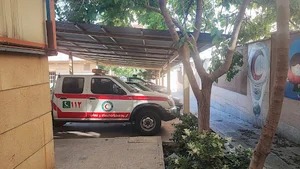
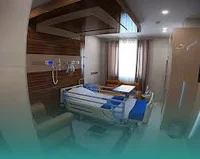
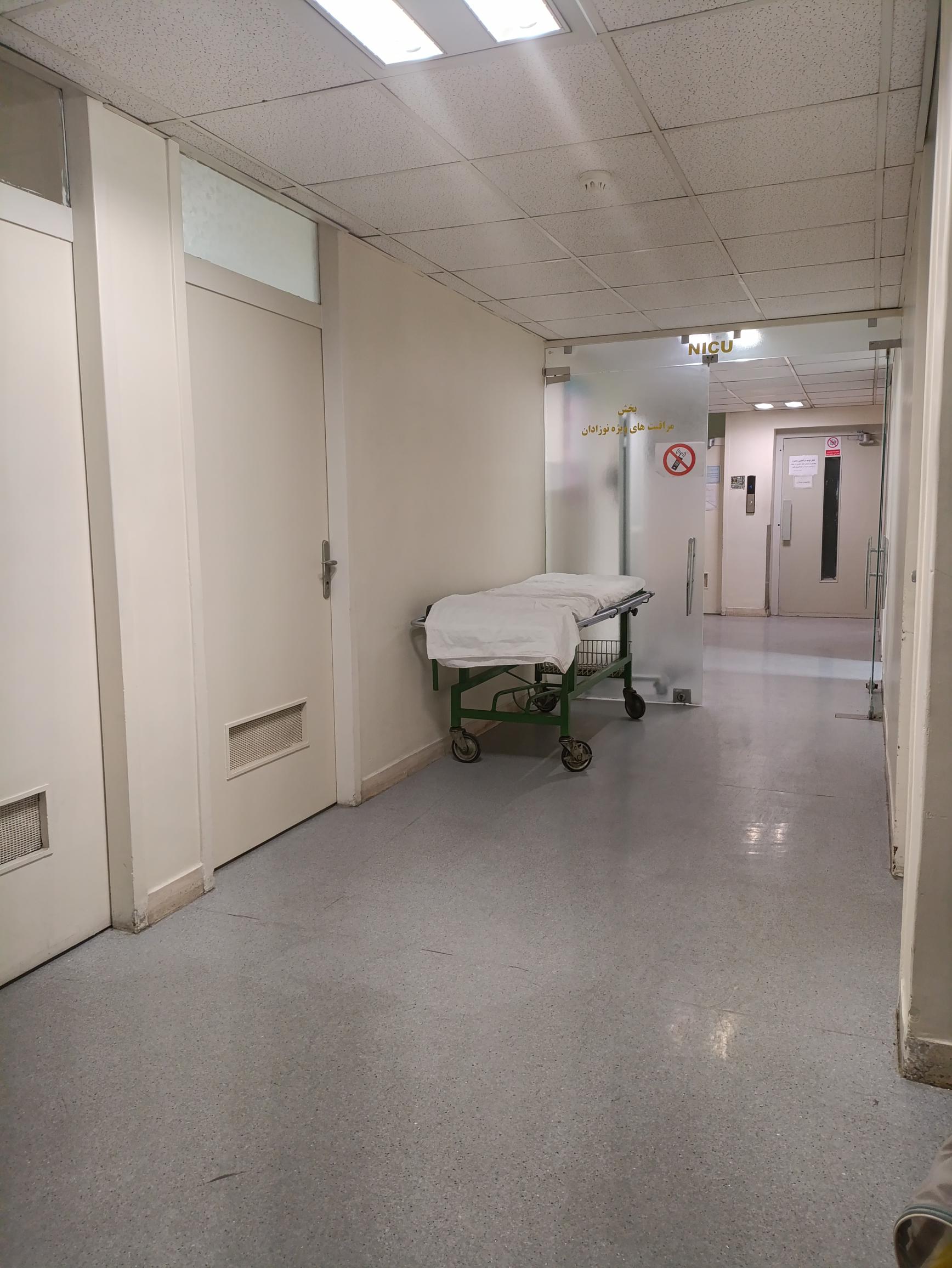
«پدر ۶۸ سالهام با مشکل تنگی نفس و با ماشین خودش به بیمارستان نیکان غرب مراجعه کرد. در ابتدا حالش قابل کنترل بود، اما تجربهی بستری در آی سی یو این بیمارستان برای خانوادهی ما بسیار تلخ شد. بخش مراقبتهای ویژه کاملاً باز است و در زمان ملاقات، دهها همراه بدون لباس محافظ کنار تخت بیماران قرار میگیرند و عملاً استانداردهای کنترل عفونت اجرا نمیشود.
در روزهای بعد حال پدرم بهشکل نگرانکنندهای رو به وخامت رفت، اما بهجای بررسی کامل شکم و احتمال انسداد روده، این علائم ابتدا به «دلیریوم آی سی یو» به معنی افسردگی ناشی از بستری در آی سی یو نسبت داده شد و رسیدگی مناسب و بهموقع انجام نشد. وقتی بالاخره انسداد روده مطرح شد، زمان طلایی از دست رفته بود. در طول بستری هم بهدلیل شرایط غیراستاندارد، دچار عفونت بیمارستانی شد و در نهایت فوت کرد.
تردد پرسنل بین تختها بدون تعویض دستکش، نبود تهویه اختصاصی، حضور دائمی همراهان و ازدحام شدید محیط، برای بیماریهای ریوی و سالمندان بسیار خطرناک است. اگر بیمار حساس دارید، قبل از بستری حتماً از نزدیک بخش آی سی یو را بررسی کنید و دربارهی پروتکلهای کنترل عفونت دقیق سؤال کنید.
این تجربه برای خانوادهی ما بهشدت دردناک بود و امیدوارم مدیریت این هشدارها را جدی بگیرد تا هیچ عزیز دیگری در این شرایط آسیب نبیند.
این پرونده از طریق کمیسیون پزشکی قانونی، دادسرای نظام پزشکی و معاونت درمان دانشگاه علوم پزشکی شهید بهشتی در حال بررسی است.»
— — — — — — — — — —
English version below:
“My 68-year-old father was admitted to Nikan Gharb Hospital due to shortness of breath. He drove himself to the hospital and was initially stable. However, our experience in the ICU was extremely disappointing and painful. The ICU is completely open, and during visiting hours, dozens of family members enter without protective clothing and stand very close to critically ill patients. Proper infection-control protocols do not seem to be enforced.
A few days later, my father’s condition deteriorated rapidly. Instead of thoroughly investigating the possibility of bowel obstruction, his symptoms were initially labeled as ‘ICU delirium,’ and necessary diagnostic steps were delayed. By the time bowel obstruction was finally considered, valuable time had been lost. He also developed a hospital-acquired infection due to the overcrowded, non-isolated environment and unfortunately passed away.
Staff members were seen moving between beds without changing gloves, and the airflow/ventilation in the ICU did not feel appropriate for respiratory-compromised patients. The constant presence of visitors in such close proximity is extremely risky for elderly and vulnerable patients.
If you have a respiratory-sensitive or elderly family member, please ask detailed questions about infection-control policies and personally observe the ICU environment before consenting to admission. Our experience was devastating, and I sincerely hope hospital management takes these concerns seriously so no other family suffers like we did.
This case is currently under review by the Forensic Medical Commission, the Medical Council Prosecutor, and the Deputy of Treatment at Shahid Beheshti University of Medical Sciences.”
مشاهده در گوگل مپس