


Amir Ardalan Davoodi
تاریخ ویرایش: ۳ هفته قبل
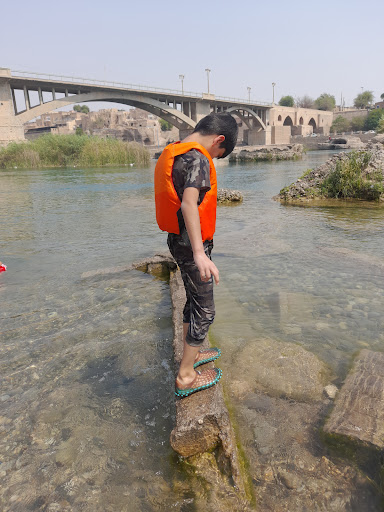
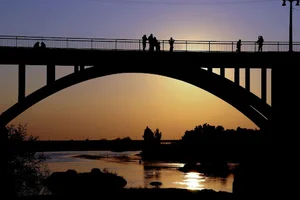
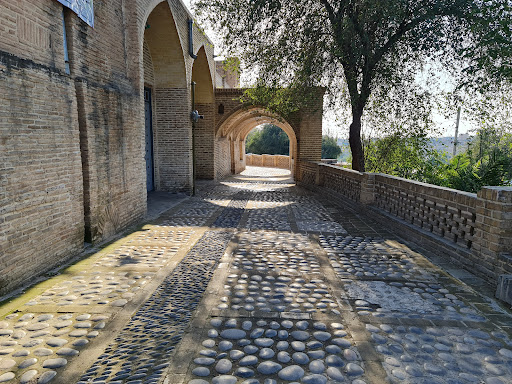
Sasanian Bridge of Dezful (Pol-e Sāsāni-ye Dezful / پل ساسانی دزفول), also known as Old Bridge of Dezful (Pol-e Qadim / پل قدیم), is one of the most important historical monuments of Dezful, Khuzestan Province, Iran. It is one of the oldest surviving bridges in Iran and a remarkable achievement of ancient Persian engineering. The bridge was originally built during the Sasanian Empire in the 3rd century CE, around 260 CE, by order of Shapur I (240–270 CE). Historical traditions connect its construction with Roman prisoners captured after Shapur I’s victory over the Roman emperor Valerian. The bridge was built over the Dez River and served as an important route connecting Jundishapur (Gondeshapur) and the regions toward Mesopotamia. The bridge is a masterpiece of ancient Iranian hydraulic and civil engineering. It was constructed using materials such as stone, lime mortar, and Saruj (traditional waterproof mortar). The structure has 14 arches, and although it has been repaired and modified during later periods, especially the Deylamid, Safavid, and Pahlavi eras, its foundations preserve its Sasanian heritage. For more than 1,700 years, the bridge played a vital role in the life of Dezful, connecting the eastern and western parts of the city. It was not only a transportation route but also a symbol of the city’s identity and continuity through different historical periods. The bridge was registered as a national heritage monument of Iran (No. 84) and today is considered one of the iconic symbols of Dezful. Visitors can enjoy the historic structure together with the beauty of the Dez River, the old neighborhoods, and the traditional brick architecture of the city. A must-visit destination for those interested in Sasanian history, ancient Persian engineering, historic bridges, archaeology, and the cultural heritage of Khuzestan.