Lefteris Stamatelatos
۱۰ ماه قبل
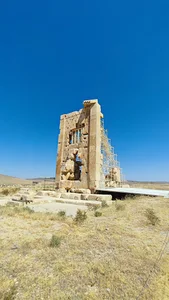
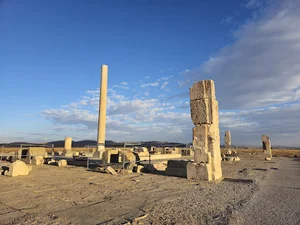
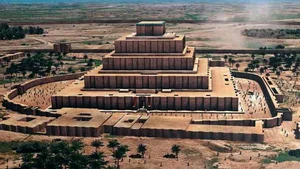
Tall-e Takht, meaning “Throne Hill,” is a prominent fortified terrace located in the heart of Pasargadae, the first dynastic capital of the Achaemenid Empire under Cyrus the Great. Rising on a natural hill at the northern end of the site, it features massive limestone retaining walls built in a stepped platform style. Its construction reflects both monumental ambition and strategic intent, commanding wide views over the surrounding plain.
The original construction began during Cyrus’s reign (6th century BCE), but was left unfinished at his death. Later Achaemenid kings, notably Darius I, appear to have modified or added to it, incorporating mudbrick superstructures atop the stone platform. The mixed use of durable stone and perishable mudbrick suggests that the site evolved over time, possibly serving ceremonial or administrative functions.
While its precise purpose remains uncertain, Tall-e Takht may have served as a citadel, royal retreat, or cultic platform. Its elevated and enclosed nature suggests it held a symbolic role in expressing royal authority, in alignment with the Achaemenid ideology of divine kingship. Some scholars also propose ritual or religious uses linked to Zoroastrian or pre-Zoroastrian traditions.
Today, Tall-e Takht stands as a testament to the architectural vision and political power of early Persia.
مشاهده در گوگل مپس