
Víctor Darvanshahr
یک ماه قبل
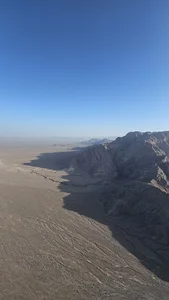
برجهای خاموشی یزد که تو فارسی بهشون دخمه میگن، سازههای باستانی تدفین زرتشتی هستن که روی تپهها بیرون شهر ساخته میشدن. بیشتر از ۳۰۰۰ سال بهعنوان بخشی از آیینهای خاکسپاری زرتشتی استفاده میشدن. زرتشتیها باور داشتن که عناصر طبیعت، مخصوصاً خاک، آتش و آب مقدسن و نباید با جسد آلوده بشن. به خاطر همین، از دفن کردن یا سوزوندن مردهها خودداری میکردن؛ در عوض، جنازهها رو بالای این برجهای سنگی دایرهای قرار میدادن تا نور خورشید و پرندههای لاشخور، مخصوصاً کرکسها، بهصورت طبیعی بدن رو تجزیه کنن. داخل برجها، جنازهها بهطور سنتی تو حلقههای جدا برای مردها، زنها و بچهها قرار داده میشدن. بعد از اینکه گوشت بدن از بین میرفت، استخوانهای باقیمونده رو داخل یه چاه مرکزی به اسم استودان میذاشتن. این رسم تو ایران تو دهههای ۱۹۶۰ و ۱۹۷۰ به خاطر قوانین مدرن بهداشتی متوقف شد، ولی برجهای خاموشی هنوز هم یکی از مهمترین نمادهای میراث زرتشتی تو ایران امروزی هستن. The Towers of Silence in Yazd, known in Persian as Dakhmeh, are ancient Zoroastrian burial structures built on hills outside the city. They have been used as part of Zoroastrian burial rituals for over 3,000 years. Zoroastrians believed that the elements of nature, especially earth, fire, and water, were sacred and should not be polluted by corpses. For this reason, they avoided burying or cremating the dead; instead, they placed the bodies atop these circular stone towers to allow sunlight and birds of prey, especially vultures, to naturally decompose the bodies. Inside the towers, the bodies were traditionally placed in separate circles for men, women, and children. After the flesh of the body was removed, the remaining bones were placed in a central pit called a studan. This custom was discontinued in Iran in the 1960s and 1970s due to modern health regulations, but the towers of silence are still one of the most important symbols of Zoroastrian heritage in modern Iran.