


persia360
۱۱ ماه قبل
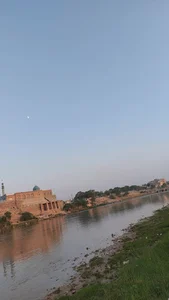
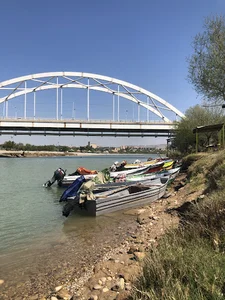
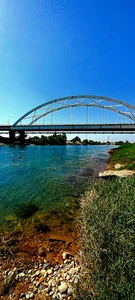
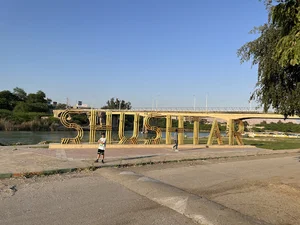
💧 Shushtar Historical Hydraulic System: A Marvel of Ancient Engineering Located in the ancient city of Shushtar, in Iran’s southwestern province of Khuzestan, the Shushtar Historical Hydraulic System is one of the most impressive examples of ancient water engineering in the world. This vast complex of water mills, bridges, canals, tunnels, and waterfalls showcases the ingenuity of Iranian engineers over 1700 years ago, and is listed as a UNESCO World Heritage Site. 📜 Historical Background and Age The origins of the system date back to the Achaemenid era (over 2500 years ago), but its peak development occurred during the Sassanid dynasty in the 3rd century CE. At that time, Persian engineers created a complex, integrated water management system to control and utilize the flow of the Karun River. ⚙️ Function and Structure The system was designed to: Irrigate agricultural lands Provide drinking and industrial water Power massive stone water mills Key components include: Band-e Kaisar (Caesar’s Bridge–Dam) Gargar Canal (an artificial branch of the Karun) Multiple underground water tunnels Stone water mills and artificial waterfalls 🏛️ Significance and Global Recognition Inscribed as a UNESCO World Heritage Site in 2009 Recognized as the world’s first industrial complex and one of the oldest fully integrated water systems Highlights Iran’s ancient expertise in sustainable water management 🧠 Interesting Fact It is believed that Roman prisoners of war, captured during Shapur I’s battles, helped construct parts of the system—especially Band-e Kaisar—making the complex a remarkable example of cross-cultural collaboration and engineering knowledge exchange. 📌 The Shushtar Hydraulic System stands not only as a technological achievement of its time but as a symbol of harmony between human needs and nature, offering lessons in sustainability, design, and ingenuity that still resonate today. 💧 سازههای آبی شوشتر؛ شگفتی مهندسی ایران باستان سازههای آبی شوشتر مجموعهای عظیم از آسیابها، پلها، تونلها، آبشارها و کانالهایی است که در دل شهر تاریخی شوشتر در استان خوزستان قرار دارد. این مجموعه شگفتانگیز، نمونهای از پیشرفتهترین سیستمهای آبیاری و بهرهبرداری از نیروی آب در دوران باستان است و توسط یونسکو بهعنوان یک شاهکار خلاقیت بشری به ثبت جهانی رسیده است. 📜 قدمت و تاریخ ساخت: ساخت اولیه این مجموعه به دوران هخامنشیان میرسد (بیش از ۲۵۰۰ سال پیش)، اما شکوفایی آن در دورهی ساسانیان (حدود ۱۷۰۰ سال پیش) اتفاق افتاد. مهندسان ایرانی در این دوران، با استفاده از دانش هیدرولیک، سیستم پیچیدهای را برای کنترل و هدایت آب ایجاد کردند که هنوز هم تحسینبرانگیز است. ⚙️ کارکرد و ساختار: هدف اصلی این سازهها، بهرهبرداری از آب رودخانهی کارون برای آبیاری زمینهای کشاورزی، تأمین آب شهر، و بهویژه گرداندن آسیابهای سنگی بوده است. این مجموعه شامل بخشهایی چون: بند قیصر (پل–بند تاریخی) نهر گرگر (نهر دستساز با قدمت باستانی) آسیابهای سنگی تونلهای انحراف آب آبشارهای مصنوعی ایجادشده از ریزش آب از روی آسیابها 🏛️ اهمیت تاریخی و جهانی: در سال ۱۳۸۸ خورشیدی / ۲۰۰۹ میلادی، بهعنوان دهمین اثر ایران در فهرست میراث جهانی یونسکو ثبت شد توسط یونسکو، بهعنوان نخستین سیستم آبی جهان با طراحی کاملاً مهندسیشده و هماهنگ با طبیعت معرفی شد تجلی هوش ایرانی در مدیریت پایدار منابع آب در اقلیم گرم و خشک جنوب ایران 🧠 نکته جالب: برخی مورخان باور دارند که طراحی و ساخت بند قیصر (جزو این مجموعه) بهدستور شاپور اول ساسانی، و با استفاده از اسیران رومی انجام شده است. این مجموعه نهفقط کارکردی مهندسی، بلکه جلوهای از تعامل فرهنگی ایران با تمدنهای دیگر را نیز در خود دارد. 📌 سازههای آبی شوشتر آمیزهای از علم، هنر، و تجربهی ایرانیان باستان در هماهنگی با طبیعتاند؛ بنایی که قرنها پیش ساخته شد، اما هنوز هم الهامبخش مهندسان و تاریخپژوهان جهان است.